
Introductions
At Shan Multi Hospital & Research Centre, located at 77 Kasba Dhakka, Tahsil Hasanpur, District Amroha 244241, we believe deeply in the power of research and education to drive exceptional patient care. When a multi-speciality hospital invests in both scientific inquiry and continuous learning, the result is improved outcomes, better patient satisfaction and stronger trust within the community. In this blog, we explore how integrating research and education elevates medical excellence — and how this benefits you, our patient and community.
1. Why research matters in healthcare
Research is not just an academic exercise. It is the driving force behind innovation in prevention, diagnosis, treatment and patient outcomes. According to experts, investing in medical research “can improve disease prevention, diagnosis, treatment and patient outcomes.”
A study found hospitals that publish scientific studies have higher patient ratings and lower mortality rates.
At Shan Multi Hospital & Research Centre, research means exploring new treatment options, collaborating with specialists, and applying the latest evidence to everyday care.



2. How education enhances clinical expertise
Education — for doctors, nurses, allied health professionals and even patients — is critical. Hospitals with high percentages of baccalaureate-prepared nurses see better outcomes and lower mortality.
Research shows that when clinicians engage in research, they become better doctors, more capable of critical evaluation and improved patient care.
In a multi-speciality hospital like ours, education takes many forms: continuous professional development, simulation training, interdisciplinary seminars, and patient education programmes. This culture of learning ensures that every member of the care team stays updated with best practices.


3. The synergy between research and education
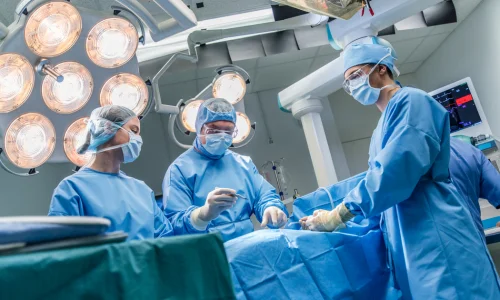
Research and education don’t operate in silos — they feed each other. When clinicians learn about new evidence, they can ask research questions. When researchers discover something new, they teach it to the care teams. This “triple helix” of clinical care, research and education enables academic health centres to improve health outcomes more effectively.
For Shan Multi Hospital & Research Centre, integrating research and education means the patient receives care informed by the latest discoveries and delivered by professionals committed to continuous improvement. This synergy fosters innovation, organisational learning and better patient outcomes.


4. Patient benefits from a research-and-education focused hospital
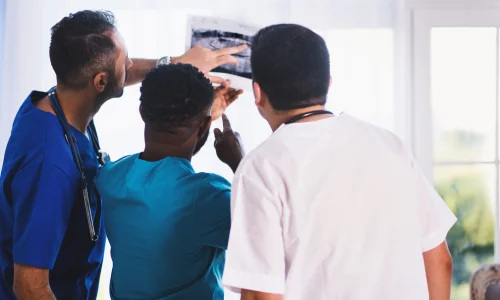
When a hospital emphasises both research and education, patients benefit in concrete ways:
Access to advanced treatments and clinical trials — Research-active hospitals often offer new therapies, under controlled trial settings, that may not be available elsewhere.
- Higher quality of care — Evidence shows research-intensive hospitals have lower mortality rates and better patient satisfaction.
Better-trained staff — Education ensures that healthcare professionals are up-to-date with guidelines, technology and best practices.
Community impact — Research often addresses local health needs, while education programmes build the healthcare workforce in the region.
At Shan Multi Hospital & Research Centre, patients can trust that our care is informed by the latest science, delivered by a team dedicated to lifelong learning and improvement.


5. Research in the real world: Examples and case studies
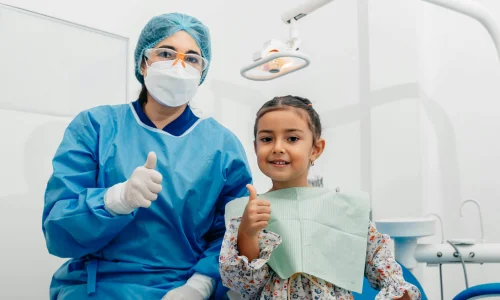
While we may not publicly share every study, here are typical ways research manifests in a hospital like ours:
Clinical trials for complex conditions: The hospital may partner with national or international research groups to test new treatments for cardiovascular disease, oncology, neurology or orthopaedics.
Quality-improvement studies: Internal audits and research projects help optimize workflows, reduce complications and shorten hospital stays.
Educational research: Studies evaluating how training simulation or new teaching methods improve staff performance and patient safety.
One published article emphasises that “the presence of teaching hospitals improves outcomes” for patients.
By emphasising real-world research, Shan Multi Hospital & Research Centre ensures that care remains at the forefront of medicine.
6. Education programmes for healthcare professionals and patients
Education within the hospital spans many layers:
Physician continuing medical education (CME): Specialists regularly attend seminars, review literature, and engage in hands-on training to refine skills.
Nursing and allied-health training: Workshops, certifications and simulation labs help ensure nurses, technicians and therapists are highly competent.
Patient and family education: Empowering patients with knowledge about their condition, treatment options, lifestyle changes and rehabilitation improves outcomes. For example, patient education leads to better treatment adherence and informed decision-making.
Shan Multi Hospital & Research Centre offers structured programmes and materials for both staff and patients — enhancing safety, understanding and care outcomes.
7. Building a culture of innovation and excellence
To truly deliver excellence, an institution must cultivate a culture that values curiosity, rigor and continuous learning. At Shan Multi Hospital & Research Centre, this means:
Encouraging staff to propose research questions and participate in studies.
Supporting regular training sessions, journal clubs and knowledge-sharing forums.
Investing in infrastructure: simulation labs, research facilities, library resources and data systems.
Recognising and rewarding achievements in both research and education.
Such a culture fosters innovation, enabling us to keep pace with medical advances and deliver care that meets global standards. As one research article puts it: “Academic health centres are poised to improve health through their clinical, education, and research missions.”



8. How patients and community benefit locally
Here are examples of the kinds of initiatives a hospital like ours might (and should) focus on:
Clinical research programmes: We partner with national institutes and conduct trials in cardiology, oncology, orthopaedics, and neurology.
Continuous medical education (CME): Weekly seminars for our doctors, nurses and technicians to learn new guidelines, technologies and procedures.
Simulation-based training: Simulation labs where staff practise emergency response, surgical procedures and critical care scenarios without risk to patients.
Patient education modules: Structured sessions and digital resources for patients undergoing major treatments (e.g., surgery, chemotherapy, rehabilitation) to help them understand their care, manage recovery and adopt healthy lifestyle habits.
Community research projects: Investigating local health trends — such as prevalence of diabetes or hypertension in the Amroha region — to target interventions appropriately.
By implementing such initiatives, Shan Multi Hospital & Research Centre is well positioned to deliver medical excellence.
9. Key research and education initiatives at Shan Multi Hospital & Research Centre
Here are examples of the kinds of initiatives a hospital like ours might (and should) focus on:
Clinical research programmes: We partner with national institutes and conduct trials in cardiology, oncology, orthopaedics, and neurology.
Continuous medical education (CME): Weekly seminars for our doctors, nurses and technicians to learn new guidelines, technologies and procedures.
Simulation-based training: Simulation labs where staff practise emergency response, surgical procedures and critical care scenarios without risk to patients.
Patient education modules: Structured sessions and digital resources for patients undergoing major treatments (e.g., surgery, chemotherapy, rehabilitation) to help them understand their care, manage recovery and adopt healthy lifestyle habits.
Community research projects: Investigating local health trends — such as prevalence of diabetes or hypertension in the Amroha region — to target interventions appropriately.
By implementing such initiatives, Shan Multi Hospital & Research Centre is well positioned to deliver medical excellence.
10. What patients and families can do
You, as a patient or family member, also play a role. Here are some practical steps:
Ask about research options: When meeting your doctor, inquire whether there are clinical trials or research programmes that you might qualify for.
Participate in education sessions: Attend the patient education workshops the hospital offers. These help you prepare for treatment and recovery.
Stay informed: Use the hospital’s website, newsletters or seminars to keep up with new services, technologies and support programmes.
Provide feedback: Engage with hospital initiatives — share your experience, take part in surveys and help the hospital refine its research and education efforts.
By actively engaging, you become part of the cycle of improvement. Shan Multi Hospital & Research Centre welcomes you to partner in your care and in our mission to deliver excellence.


Conclusion
At Shan Multi Hospital & Research Centre, our commitment to combining research and education underpins our mission of medical excellence. By aligning cutting-edge scientific inquiry, continuous professional learning and patient-centred care, we deliver superior outcomes, advanced treatments and trusted service for our community in Amroha and beyond.
We invite you to call 7827063384 or visit us at 77 Kasba Dhakka, Tahsil Hasanpur, District Amroha 244241 to discover how our research-enabled, education-driven care can make a difference for you and your loved ones.