

If you often feel heaviness, tightness, or discomfort in your stomach after meals, you’re not alone. Many people in India struggle with gas problem in stomach, bloating, and indigestion almost daily. While it may seem like a simple issue, recurring gas and bloating can affect your lifestyle, mood, and confidence – especially when it keeps coming back despite home remedies.
In this blog, doctors from Shan Multi Hospital & Research Centre share expert insights on why stomach gas happens, what symptoms you should never ignore, and effective medical and natural ways to get relief – once and for all.
What Is Stomach Gas and Bloating?
Gas forms naturally in our digestive system as food breaks down. It’s a mix of swallowed air and gases produced by intestinal bacteria during digestion. Normally, this gas passes harmlessly through burping or flatulence.
But when gas gets trapped, it leads to bloating, abdominal pain, and discomfort – making your stomach feel swollen or tight.
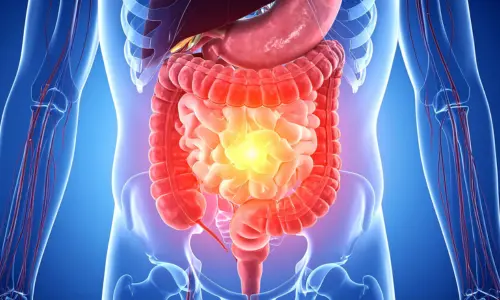
Common Symptoms of Gas Problem in the Stomach
While everyone experiences gas occasionally, frequent or severe symptoms may indicate an underlying digestive issue.
Here are some common signs you might notice:
Feeling of fullness or pressure in the abdomen
Burping or belching frequently
Passing gas excessively
Sharp or cramping stomach pain
Swollen or tight belly after eating
Nausea or mild vomiting
Gurgling or rumbling sounds in the stomach.
If these symptoms persist for more than a few days, it’s best to consult a doctor rather than keep relying on over-the-counter medicines.
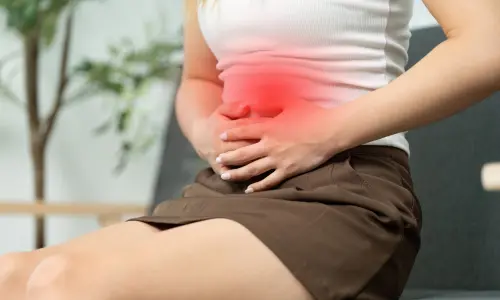
What Causes Gas and Bloating?
Understanding the cause is the first step to solving the problem. Doctors at Shan Multi Hospital & Research Centre explain that most gas issues arise from lifestyle and dietary habits — but sometimes, medical conditions may also be involved.
1. Eating Too Fast
When you eat quickly, you swallow air, leading to aerophagia — excess air in the stomach that causes gas and bloating.
2. Certain Foods
Some foods naturally produce more gas:
Beans, lentils, and chickpeas
Onions, cabbage, cauliflower
Dairy products (if lactose intolerant)
Carbonated drinks and soda
Fried and oily foods
3. Lack of Physical Activity
Sedentary lifestyles slow digestion, making it harder for gas to move through your intestines.
4. Stress and Anxiety
Emotional stress can alter gut function and lead to indigestion and bloating.
5. Medical Conditions
Sometimes, chronic gas or bloating is a symptom of:
Irritable Bowel Syndrome (IBS)
Gastroesophageal Reflux Disease (GERD)
Lactose intolerance
Constipation
Gastritis or ulcers
If your gas is accompanied by severe abdominal pain, unexplained weight loss, or blood in stool, seek medical advice immediately.

How to Diagnose Frequent Gas and Bloating
Your doctor may suggest simple diagnostic steps to identify the root cause:
Medical history and physical exam
Blood tests (to check for infections or food intolerances)
Ultrasound or endoscopy (to detect gastritis, ulcers, or other GI issues)
Breath test (to diagnose lactose intolerance or bacterial overgrowth)
At Shan Multi Hospital & Research Centre, our gastro specialists use advanced diagnostic tools to pinpoint the cause of your digestive discomfort so that treatment can be personalized.
Doctor-Recommended Ways to Get Rid of Gas and Bloating
1. Modify Your Eating Habits
Eat slowly and chew food thoroughly.
Avoid talking while eating to reduce swallowed air.
Eat smaller, frequent meals instead of large ones.
Avoid lying down immediately after meals.
2. Choose Gut-Friendly Foods
- Include fiber-rich foods like fruits, vegetables, and whole grains.
- Drink plenty of water throughout the day.
- Add probiotics (curd, buttermilk, or probiotic supplements) to your diet.
3. Avoid Gas-Forming Foods
Limit foods like beans, onions, cabbage, and carbonated beverages.
Replace them with lighter options like pumpkin, rice, and bananas.
4. Stay Active
Even a 15–20 minute walk after meals can help relieve gas and improve digestion.
5. Manage Stress
Practice yoga, meditation, or deep breathing. Stress directly affects gut motility and digestion.
6. Try Home Remedies
Jeera water (cumin water): Aids digestion and reduces bloating.
Ajwain with black salt: A traditional remedy for quick gas relief.
Ginger tea: Helps relax the intestinal muscles.
Warm water with lemon: Detoxifies and promotes digestion.
Tip: Avoid overuse of antacids without medical guidance — they may mask symptoms of underlying issues.

Medical Treatment for Stomach Gas and Bloating
If lifestyle changes and home remedies don’t help, consult a gastroenterologist.
Depending on your condition, your doctor may prescribe:
- Antacids to neutralize stomach acid
- Probiotics to balance gut bacteria
- Digestive enzymes for better food breakdown
- Anti-foaming agents to reduce gas bubbles
- Antibiotics (only if bacterial infection is detected).
Our specialists can diagnose and treat chronic gas, bloating, and other digestive issues effectively with a mix of medication and lifestyle guidance.
Preventive Tips for Long-Term Digestive Health
Eat on time and maintain a regular schedule.
Avoid overeating and late-night meals.
Stay hydrated — water is your digestive system’s best friend.
Limit alcohol and smoking.
Get adequate sleep.
Add fiber gradually to your diet — too much too quickly can increase gas.
Include probiotics to strengthen gut health naturally.

When to See a Doctor
Gas and bloating are usually harmless, but seek medical help if you experience:
Persistent or severe stomach pain
Weight loss without trying
Changes in bowel habits (constipation or diarrhea)
Blood in stool or black stools
Recurrent vomiting or nausea
Loss of appetite
These could indicate an underlying digestive disorder that requires professional care.
Conclusion
Gas and bloating are common, but they shouldn’t be ignored when they become frequent or painful. With the right diet, lifestyle, and medical care, you can enjoy a healthier, lighter, and more comfortable stomach.
At Shan Multi Hospital & Research Centre, our experienced gastroenterologists provide expert care for all types of digestive issues — from simple gas problems to complex stomach disorders.
Ans. Even healthy foods like fruits and vegetables contain fiber that produces gas during digestion. Eating slowly and staying active can help manage it.
Ans. Yes. Stress affects gut movement and enzyme production, leading to indigestion and gas buildup.
Ans. Avoid beans, lentils, cabbage, fried food, and carbonated drinks. Instead, eat lighter meals with fiber and probiotics.
Ans. No. Frequent use of antacids may hide the real cause of your gas problem. Consult a doctor if symptoms persist.
Ans. Mild gas usually passes within a few hours. But if it occurs daily, you should get a proper diagnosis.
Ans. Absolutely! Light physical activity like walking helps move gas through the intestines and reduces bloating.